Ice Dam Removal in Bellevue, WA
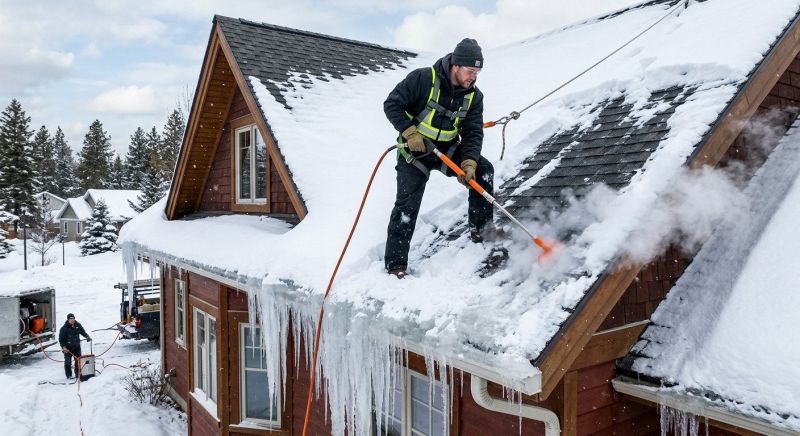
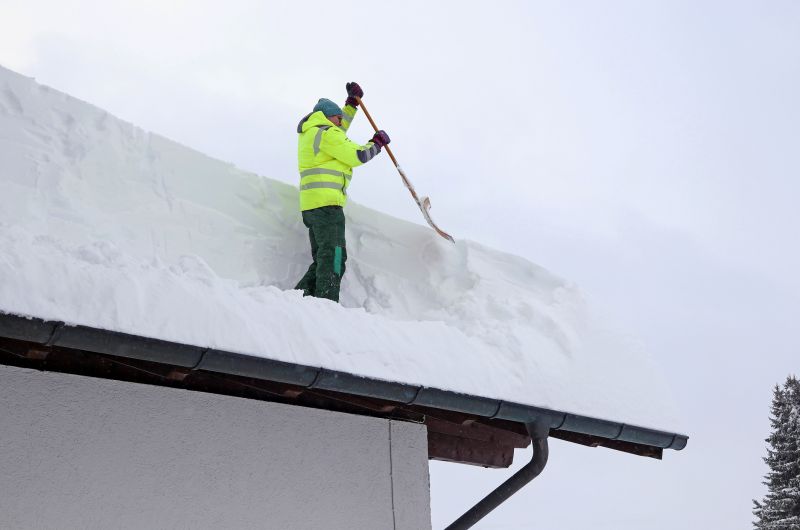
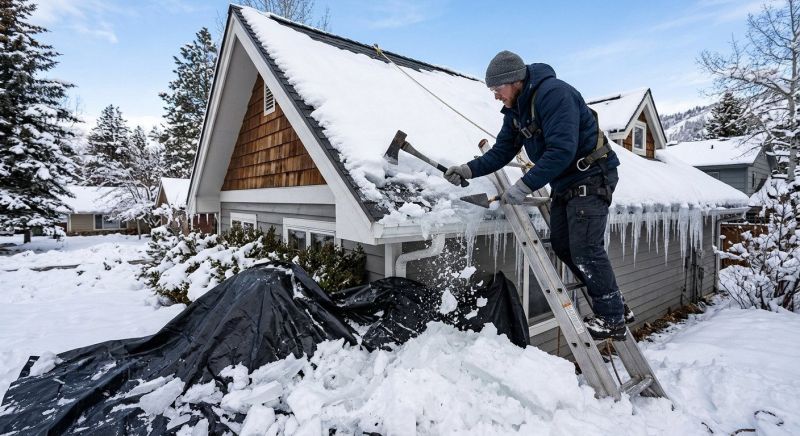
Ice dam removal services focus on safely and effectively removing the large blocks of ice that form along the edges of roofs during winter months. These ice dams can prevent melting snow from draining properly, leading to water backing up under shingles and causing interior leaks or roof damage. The service typically covers residential properties with sloped roofs, especially in areas prone to heavy snowfall and freezing temperatures, and involves carefully breaking apart or melting the ice to restore proper drainage.
Homeowners considering ice dam removal usually want to understand the scope of the project, including whether it addresses existing leaks or potential damage, and what methods are used to remove the ice safely. It’s also helpful to know if additional measures, such as improving attic insulation or ventilation, are recommended to prevent future ice dam formation. Contacting for more information can provide clarity on the process and help determine if the service aligns with the property’s needs.
Many property owners in Bellevue, WA look into Ice Dam Removal for repairs, replacements, upgrades, and appearance-related improvements.
Understanding Ice Dams
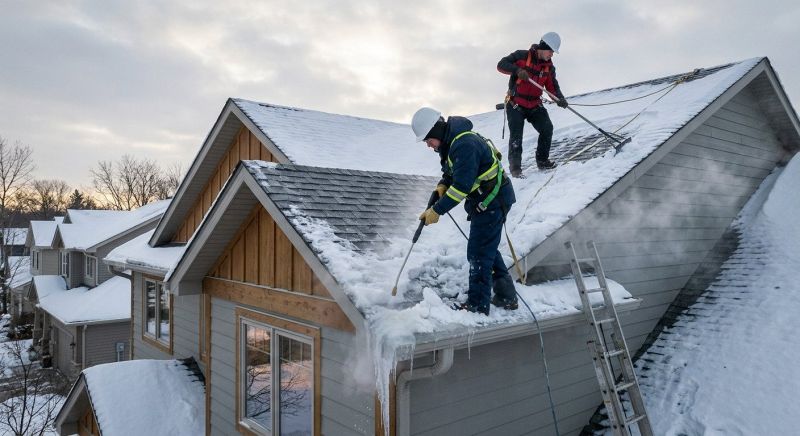
Ice dams form when melting snow refreezes at the roof edge, causing water backup and potential damage.
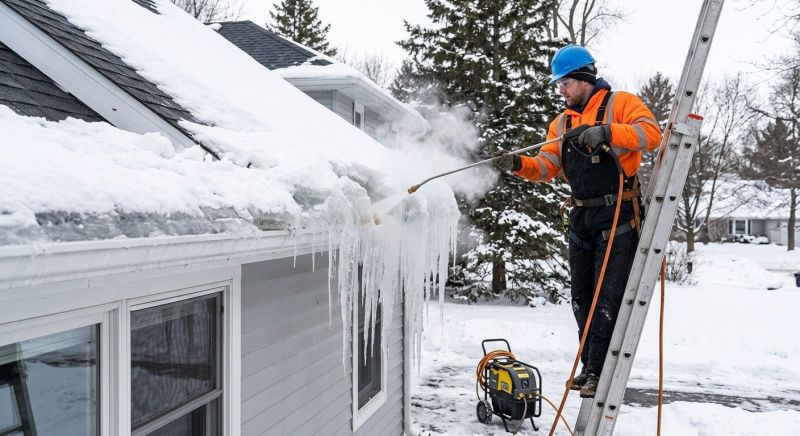
Signs Of Ice Dam Issues
Visible ice buildup along gutters and water stains inside the attic can indicate ice dam formation.
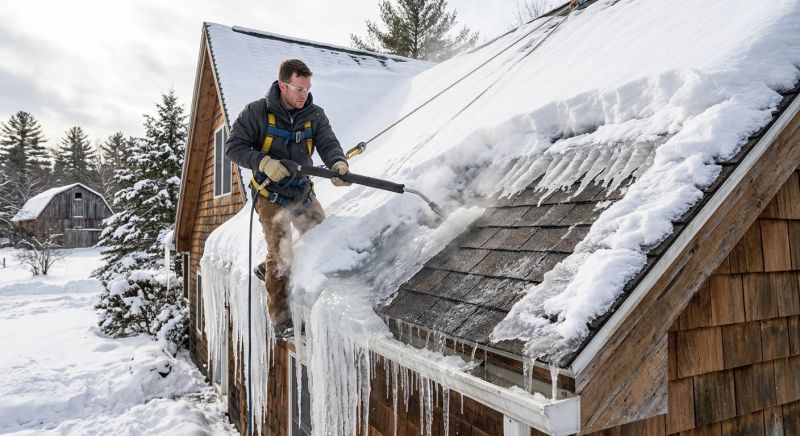
Preventative Measures
Proper insulation and ventilation can help reduce the risk of ice dams on residential roofs in bellevue, wa.
Ice Dam Removal in Bellevue, WA
Ice dam removal services focus on safely and effectively removing the large blocks of ice that form along the edges of roofs during winter months. These ice dams can prevent melting snow from draining properly, leading to water backing up under shingles and causing interior leaks or roof damage. The service typically covers residential properties with sloped roofs, especially in areas prone to heavy snowfall and freezing temperatures, and involves carefully breaking apart or melting the ice to restore proper drainage.
Homeowners considering ice dam removal usually want to understand the scope of the project, including whether it addresses existing leaks or potential damage, and what methods are used to remove the ice safely. It’s also helpful to know if additional measures, such as improving attic insulation or ventilation, are recommended to prevent future ice dam formation. Contacting for more information can provide clarity on the process and help determine if the service aligns with the property’s needs.
Many property owners in Bellevue, WA look into Ice Dam Removal for repairs, replacements, upgrades, and appearance-related improvements.
Common Ice Dam Removal Jobs
Ice Dam Removal - clearing ice buildup to prevent roof damage and leaks.
Ice Dam Prevention - installing barriers or insulation to reduce future ice dam formation.
Snow and Ice Removal - removing accumulated snow and ice from rooftops to improve drainage.
Roof Inspection - assessing roof and gutter conditions to identify potential ice dam risks.
Gutter Clearing - ensuring gutters are free of debris for proper water flow during winter.
Emergency Ice Dam Services - rapid response to severe ice dam issues threatening property integrity.
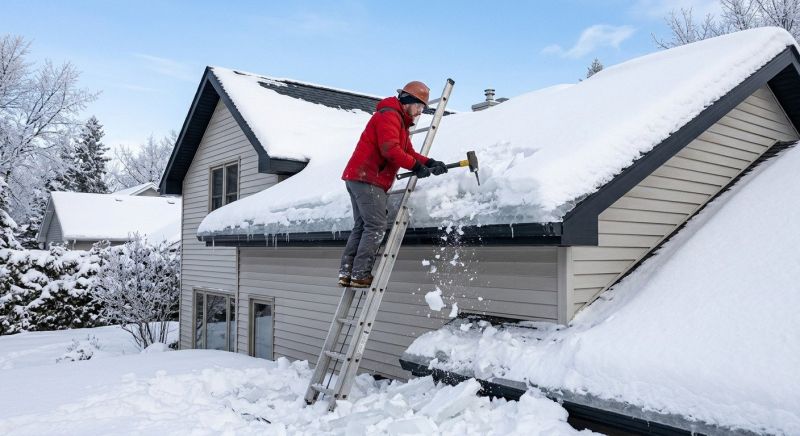
Ice Dam Removal Questions
What is ice dam removal? Ice dam removal involves safely clearing ice buildup on roofs to prevent water damage and leaks during winter months.
Why should property owners consider ice dam removal? Removing ice dams helps protect roofs, gutters, and interior spaces from water infiltration and structural damage.
What types of properties typically need ice dam removal? Homes with sloped roofs, especially those in colder climates like Bellevue, often require ice dam removal to prevent damage.
When is the best time for ice dam removal? It is most effective when ice dams are forming or present, ideally before they cause water to seep into the building.
Request Ice Dam Removal in Bellevue, WA
Use the quote form on this page to share the basics of your project and request more information for the type of work you need.